
What Is Hanbok? A Complete Guide to Korean Traditional Fashion, Colors, and Accessories
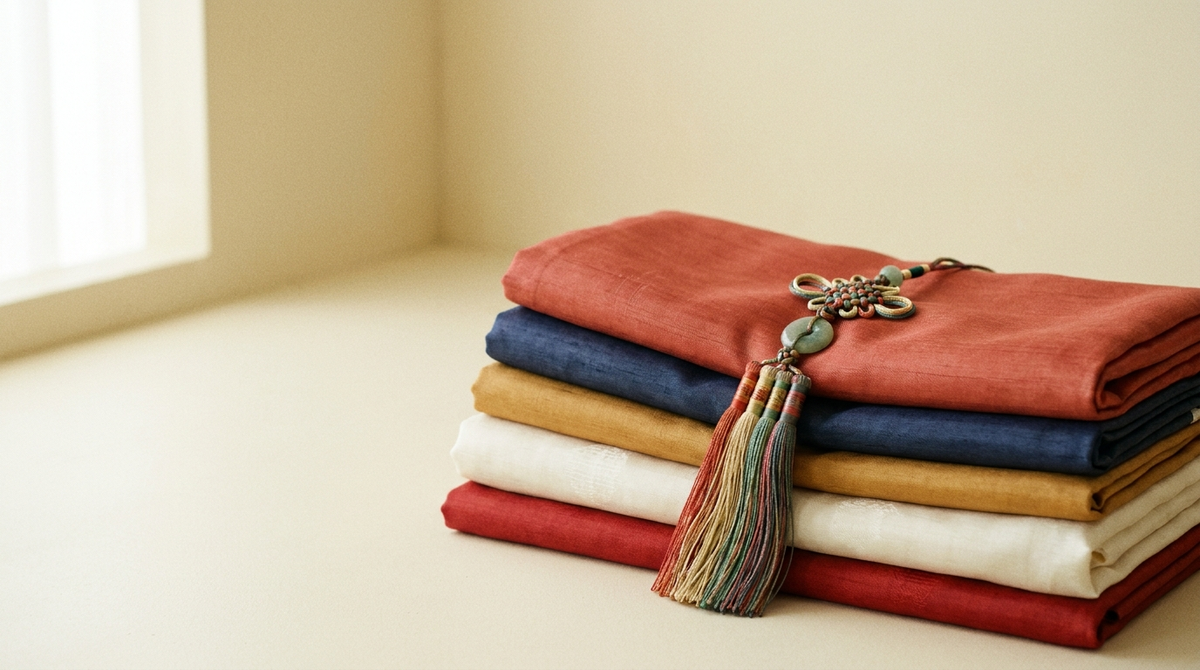
Quick Definition
Hanbok (한복) is the traditional clothing of Korea, worn across all social classes from royalty to commoner throughout the Joseon Dynasty (1392–1897) and beyond. More than fashion, hanbok is a material expression of Neo-Confucian philosophy, social identity, and personal prayer — with every color, knot, and accessory carrying specific symbolic meaning. The word means simply “Korean clothing.”
The Philosophy of Color: Purity and Protection
The traditional Korean hanbok (한복) is celebrated globally for its elegant lines, but its true magic lies in the meticulous details and the philosophy behind them. During the Joseon (조선) Dynasty, clothing and accessories were not merely decorative; they were profound expressions of Neo-Confucian philosophy, social status, and personal prayers for the future.
Historically, Koreans have proudly referred to themselves as the “white-clad race” or Baekui Minjok (백의민족). White symbolised purity, innocence, and the scholarly virtue of living a life without greed. Despite several royal decrees attempting to ban white clothing throughout the Joseon era, the common people’s love for these pure garments persisted, reflecting their deep respect for integrity and the heavens.
However, alongside this pristine white, Koreans masterfully utilised Obangsaek (오방색) — the five cardinal colors of blue, red, yellow, white, and black. Rooted in the philosophy of Yin-Yang and the Five Elements, these colors were deeply symbolic, displayed in royal attire and especially prominent in children’s clothing such as the saekdong (색동) rainbow-striped sleeves — not just decorative, but a protective talisman believed to harness positive energy and ward off evil spirits.
| Color | Direction | Meaning |
|---|---|---|
| Blue (청) | East | Growth, vitality, spring |
| Red (적) | South | Passion, good fortune, summer; used to repel evil |
| Yellow (황) | Centre | Earth, the emperor, balance, prosperity |
| White (백) | West | Purity, simplicity, mourning; everyday Korean dress |
| Black (흑) | North | Wisdom, depth, winter; worn by scholars |
▶ Watch: Making Hanbok
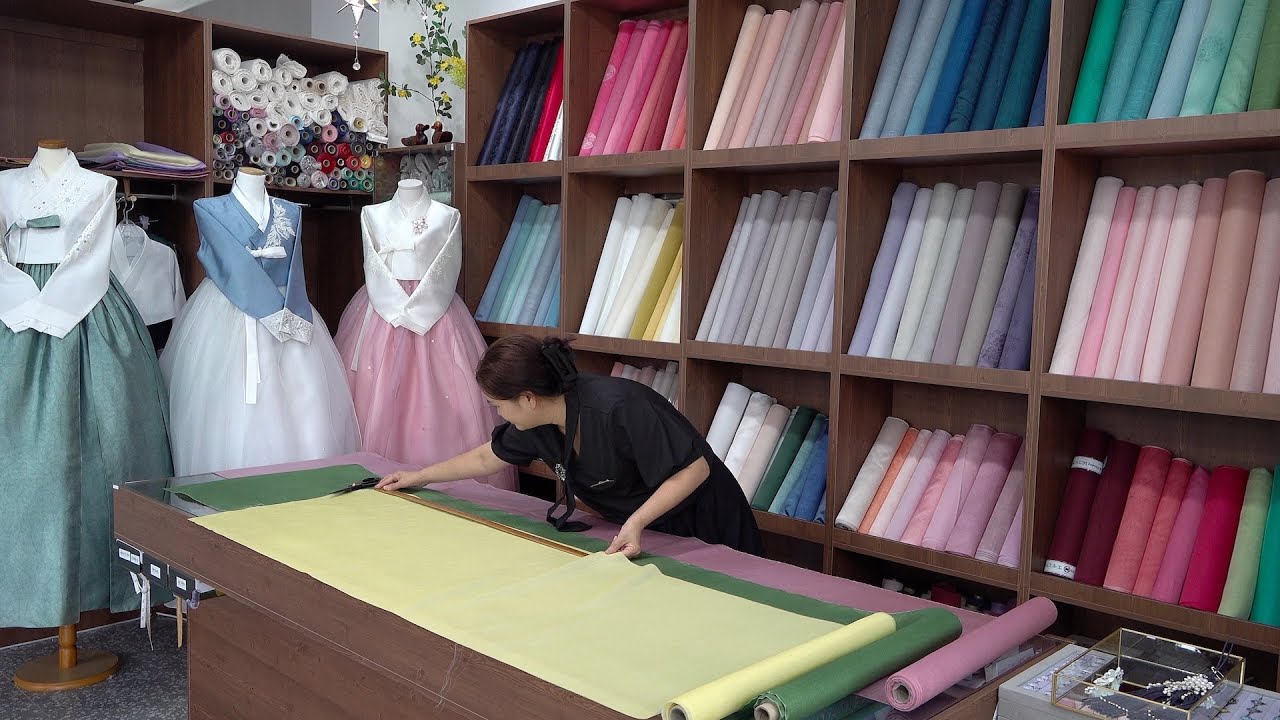
Watch the craft of making traditional Hanbok from start to finish (YouTube)
Norigae (노리개): The Heart of Korean Adornment
The ultimate statement piece of traditional fashion was the norigae (노리개), translating to “pretty and playful objects.” Worn by everyone from queens to commoners, these pendants hung from the jeogori goreum (jacket strings) or the chima (skirt), swaying elegantly near the chest.
A complete norigae is an architectural marvel composed of four parts: the ddidon (띠돈) top clasp, paemul (패물) the main ornament, intricate maedeup (매듭) knots, and flowing sul (술) tassels. Beyond their beauty, norigae served as potent amulets — ducks symbolised marital harmony, miniature axes were thought to drive away disease.
Women of the Joseon era also cleverly disguised practical tools as exquisite jewellery:
- Hyangnang (향낭): Perfume cases containing aromatic musk — both pleasant and snake-repelling outdoors. In emergencies, the musk could be used as medicine for indigestion.
- Baneuljib (바늘집): Miniature needle cases worn as pendants, reflecting the prized feminine virtue of diligent needlework.
- Eunjangdo (은장도): A small ornamental silver knife — self-defence weapon, symbol of a woman’s fidelity, and extraordinarily, some concealed silver chopsticks inside to detect food poisoning at court banquets.
The Binding Art: Maedeup (매듭)
Holding these pendants together is the ancient art of maedeup (매듭) — Korean decorative knotting. With traces back to the Three Kingdoms period and the Goryeo Dynasty, these knots are marvels of symmetry, appearing identical on both front and back. Artisans wove dyed silk threads into foundational knots: the dorae (double connection knot) and the saengjjok (cloverleaf knot). The scale was meticulously calculated — heavier jewels required smaller knots to bear the visual weight, while smaller ornaments were highlighted by larger, bolder knots.
▶ Royal Hanbok
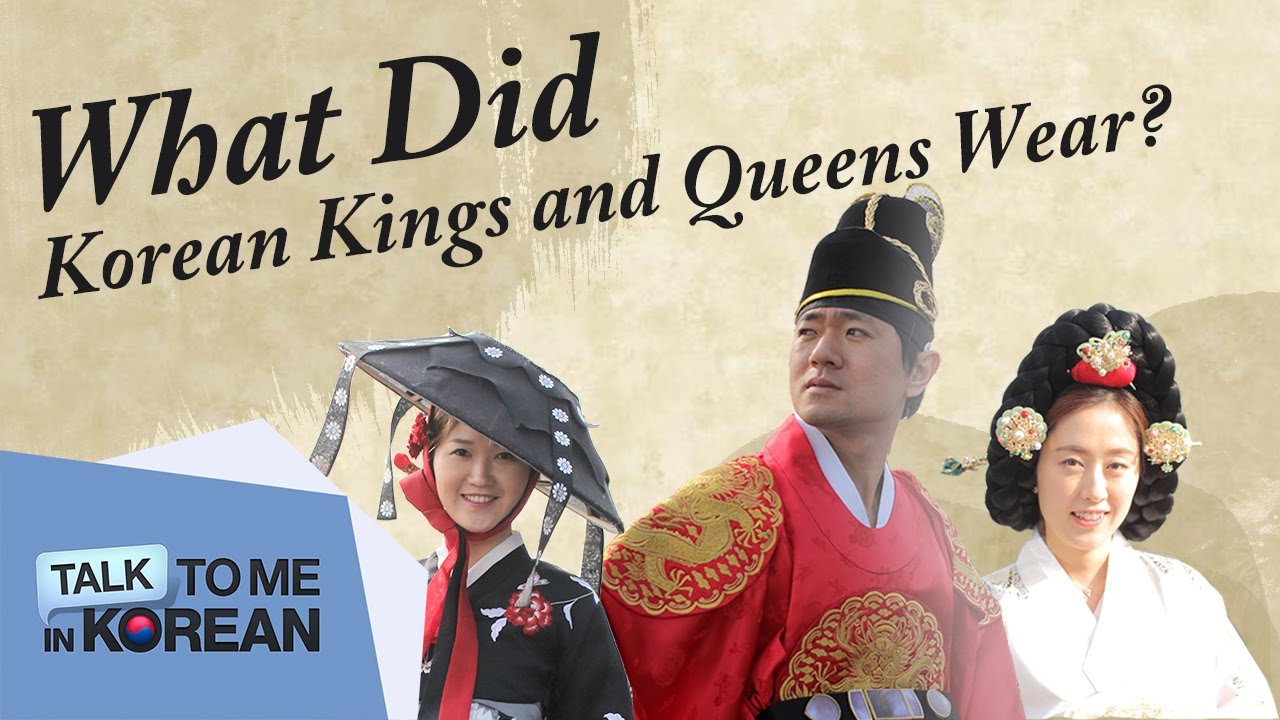
Royal Hanbok of the Joseon Dynasty — court dress, rank, and ceremony (YouTube)
Crowning Glories: Hair and Hats
Korean accessorising extended far beyond the waist and chest. Women used the binyeo (비녀) — hairpins crafted from wood, horn, gold, or jade — to secure their hair. It was believed the binyeo captured the wearer’s soul and reflected her inner dignity. Unmarried women wore the daenggi (댕기), a long fabric ribbon frequently adorned with gold patterns or embroidered flowers.
Men navigated strict Neo-Confucian social codes through their headwear. Because showing a bare topknot was considered deeply improper, men wore a sangtugwan (상투관) small protective cap, topped with the iconic gat (갓) — a cylindrical hat with a wide bamboo brim. The gat evolved into a powerful symbol of social standing, styled with elegant straps made of jade, gold, or fine fabric.

▶ Fashion of Korea: Hanbok
Fashion of Korea: the history, design, and cultural significance of Hanbok (YouTube)
Whether through the pure white of a scholar’s robe, the vibrant protection of a child’s saekdong sleeves, or the swaying elegance of a layered norigae, Korean traditional fashion is a rich, interwoven tapestry — bridging everyday utility, spiritual protection, and breathtaking beauty.
Frequently Asked Questions About Hanbok
What is hanbok?
Hanbok (한복) is Korea’s traditional clothing, worn across all social classes throughout the Joseon Dynasty (1392–1897). Distinguished by fluid lines and vibrant colors, hanbok is designed to highlight graceful movement. Each element — color, cut, and accessory — carries symbolic meaning rooted in Neo-Confucian philosophy.
What do the colors in hanbok mean?
Hanbok colors follow the obangsaek five-color system rooted in Yin-Yang and Five Elements philosophy. Blue represents vitality, red wards off evil and brings good fortune, yellow signifies imperial power and the earth, white reflects purity (the color most commonly worn by ordinary Koreans), and black denotes wisdom and depth.
What is a norigae?
Norigae (노리개) are the ornamental pendants worn hanging from hanbok jacket strings or skirts. Each is made of four components: a clasp, a main ornament, decorative knots (maedeup), and tassels. Beyond decoration, norigae functioned as amulets — different motifs offered different protections — and some concealed practical tools like needle cases or small knives.
What is maedeup?
Maedeup (매듭) is the traditional Korean art of decorative knotting, used to tie and ornament norigae pendants and other accessories. Knots are constructed to appear symmetrical from both front and back. The art dates to at least the Three Kingdoms period (57 BCE–668 CE) and remains a recognised intangible cultural heritage of Korea.
Is hanbok still worn in Korea today?
Yes. While Western clothing is standard for daily life in contemporary Korea, hanbok is worn on significant occasions: Seollal (Korean New Year), Chuseok (harvest festival), weddings, hwangap (60th birthday), and visits to heritage sites such as Gyeongbokgung Palace. A “neo-hanbok” movement has also emerged, blending traditional silhouettes with contemporary styling for everyday wear.
Where can I find Korean craft and homeware inspired by these traditions in Australia?
PEUM curates Korean homeware and lifestyle products for Australian homes, drawing on the same heritage traditions — including pieces that reference Minhwa symbolism, Obangsaek color philosophy, and Korean craft aesthetics.
Explore Korean Heritage at Home
PEUM brings carefully selected Korean homeware to Australia — products that carry the same cultural depth as the traditions in this article.
Shop PEUM