
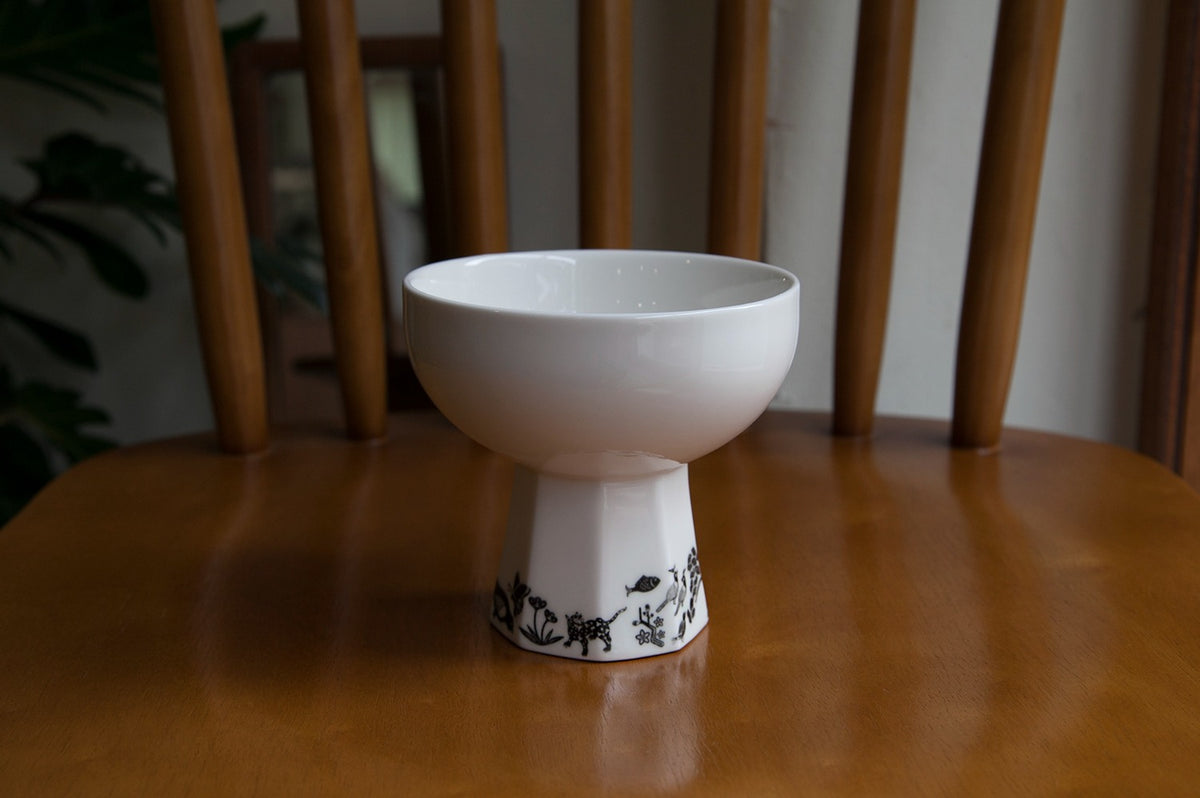
Sorosi Shipjangsaeng Series – Gaya Pedestal Dish
Shaped with a maker's heart, it finds new meaning in your everyday.
A quiet piece of Korea, brought into life in Australia.
Specifications
Materials
Artisan Info
Care Instructions
Please Note
Shipping & Returns
Ships directly from South Korea to Australia
Delivery 5–14 business days (incl. 1–3 days processing),
depending on destination & customs clearance
Made-to-Order Some items need up to 2 extra weeks
— noted on product page
Shipping Fees (shown in your local currency)
- Orders AUD 200 and over → Complimentary shipping 🎁
- Orders under AUD 200 → Flat rate AUD 30
📦 No PO Boxes or Parcel Lockers · Tracking emailed on dispatch
International orders may incur customs duties
The Gaya potters raised their dishes on pedestals not to elevate what was placed in them, but because the form itself was a philosophy — a small object held lightly above the earth.
Sorosi's Shipjangsaeng Gaya Pedestal Dish reinterprets the gubdari-jeopsi — the elevated pedestal dish of the Gaya and Silla periods — in Baekja white porcelain, fired at high temperature and decorated with the Shipjangsaeng (십장생) pattern: ten traditional symbols of longevity drawn from Korean cultural heritage including mother-of-pearl lacquerware, embroidery, and ancient roof tiles. Sorosi extracted these motifs and reimagined them into a contemporary underglaze pattern — restrained, legible, precise. The octagonal base is the studio's own contribution, a silhouette that reads as contemporary without departing from its Joseon ceramic lineage.
On a dining table it serves seasonal fruit, rice cakes, or desserts with a quiet formality that elevates any table setting without demanding ceremony in return. On a vanity or console as a jewellery holder, the octagonal base and Shipjangsaeng pattern function as interior sculpture when the dish sits empty. Given as a gift for a significant occasion — a birthday milestone, a new home, a celebration of longevity — the symbols embedded in the pattern carry that intention forward without explanation. Packaged with a premium gift box, shopping bag, and thank-you card, it arrives ready to give.
Handcrafted in South Korea by Sorosi Studio — where Gaya meets the present, and the pedestal still holds.
Thank you for visiting PEUM.
At PEUM, we’re passionate about sharing the beauty and soul of Korean artisan craftsmanship with the world.
Each item is thoughtfully handled and carefully packed by hands that respect the story behind every piece so that it reaches your home just as it was meant to be.
We’re a small, independent team that believes in doing things properly with care, with purpose, and with heart.
No shortcuts, no compromises
just genuine dedication to bringing you something special, the way it deserves to be delivered.
With warmth,
PEUM을 찾아주셔서 진심으로 감사드립니다.