
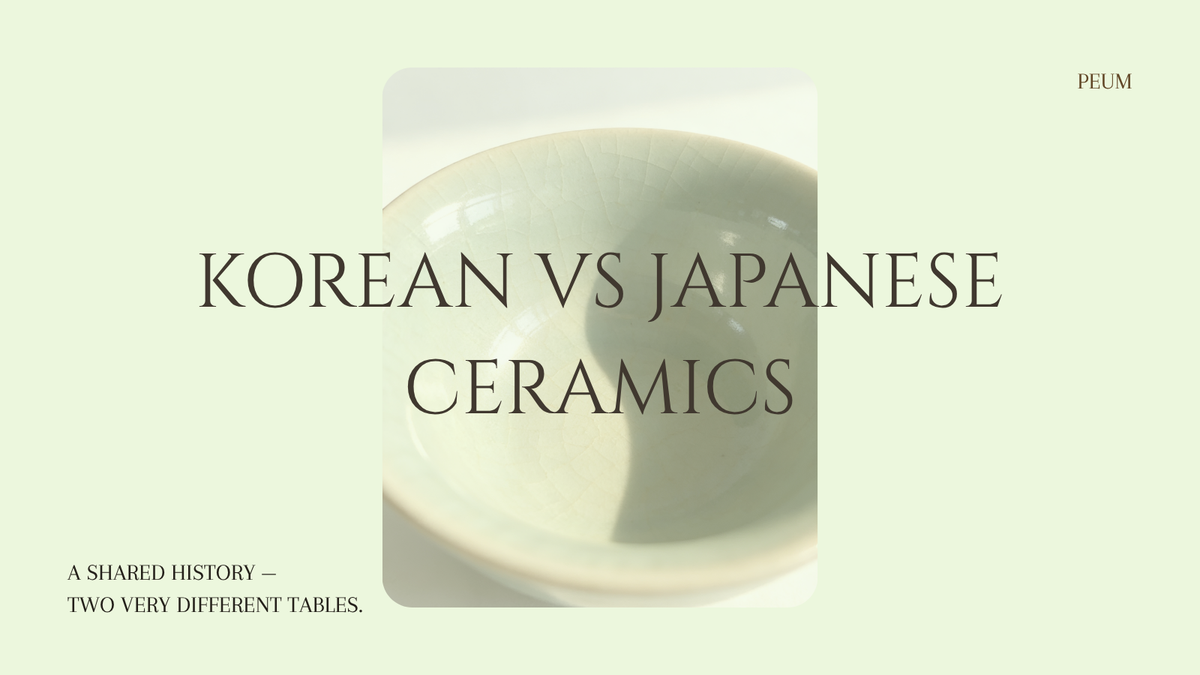
Korea and Japan have one of the most deeply intertwined histories in the world — and few objects tell that story better than a humble bowl. To a casual eye, a Korean ceramic bowl and a Japanese one can look like cousins. Look a little closer, and they reveal two cultures that borrowed from each other, broke apart, and then grew in completely different directions. This is the story of how that happened, and why your Korean rice bowl and your friend’s Japanese one are not quite the same thing.
A Shared Root in Clay
Both traditions draw from the same ancient East Asian well. China set the template, but Korea was the bridge. For centuries, ceramic knowledge flowed from the Korean peninsula into the Japanese islands, not the other way around.
Korea’s golden ages came early. The Goryeo dynasty (고려, 918–1392) produced cheongja (청자) — jade-green celadon so refined that Chinese connoisseurs of the time ranked it among the finest in the world.
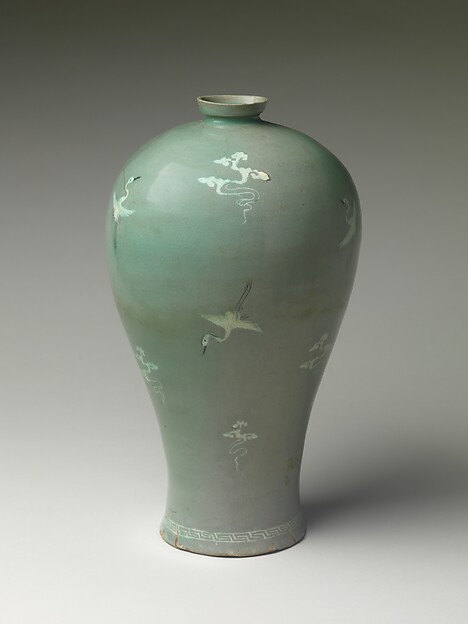
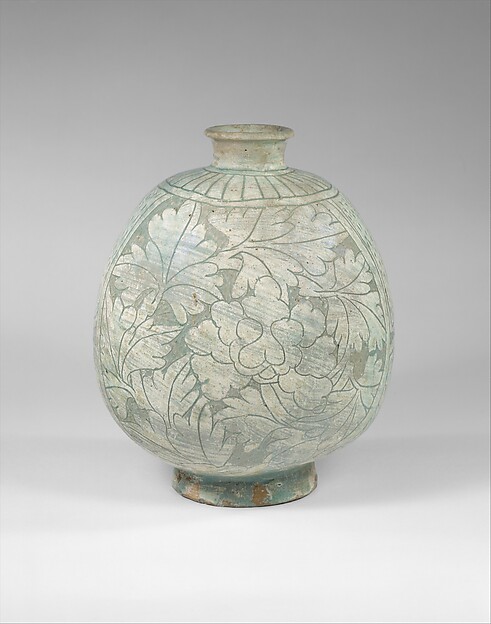
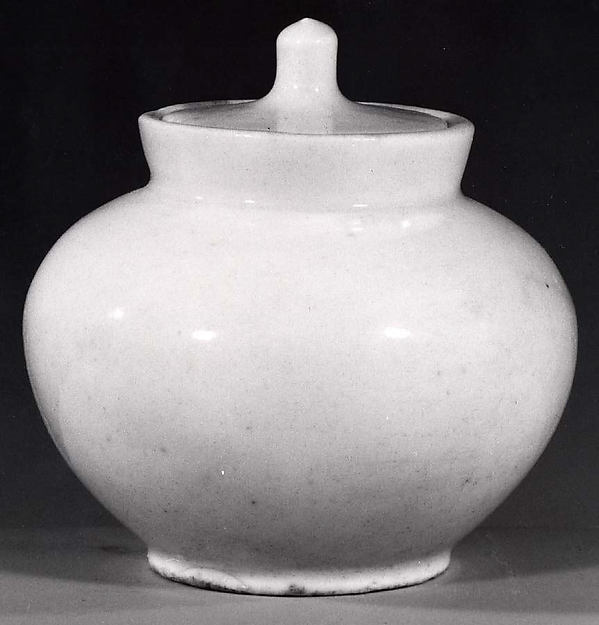
The Joseon dynasty (조선, 1392–1897) that followed turned toward two new directions: buncheong (분청), a free, earthy stoneware decorated with slip, and baekja (백자), a pure, restrained white porcelain that came to embody Confucian ideals of modesty and quiet dignity.
Japan, at this stage, was still largely importing fine ceramics or making simpler earthenware. The great shift — the moment the two histories collide — came at the end of the 16th century, through war.
The “Pottery War”: When Korea’s Knowledge Was Carried Across the Sea
When Toyotomi Hideyoshi’s (豊臣秀吉) armies invaded Korea during the Imjin War (임진왜란, 1592–1598), they didn’t only take territory. Japanese lords, who prized ceramics deeply because of the tea ceremony, deliberately captured Korean potters and brought them home. The conflict is remembered by some historians as the “Pottery War” or “Tea Bowl War” for exactly this reason.

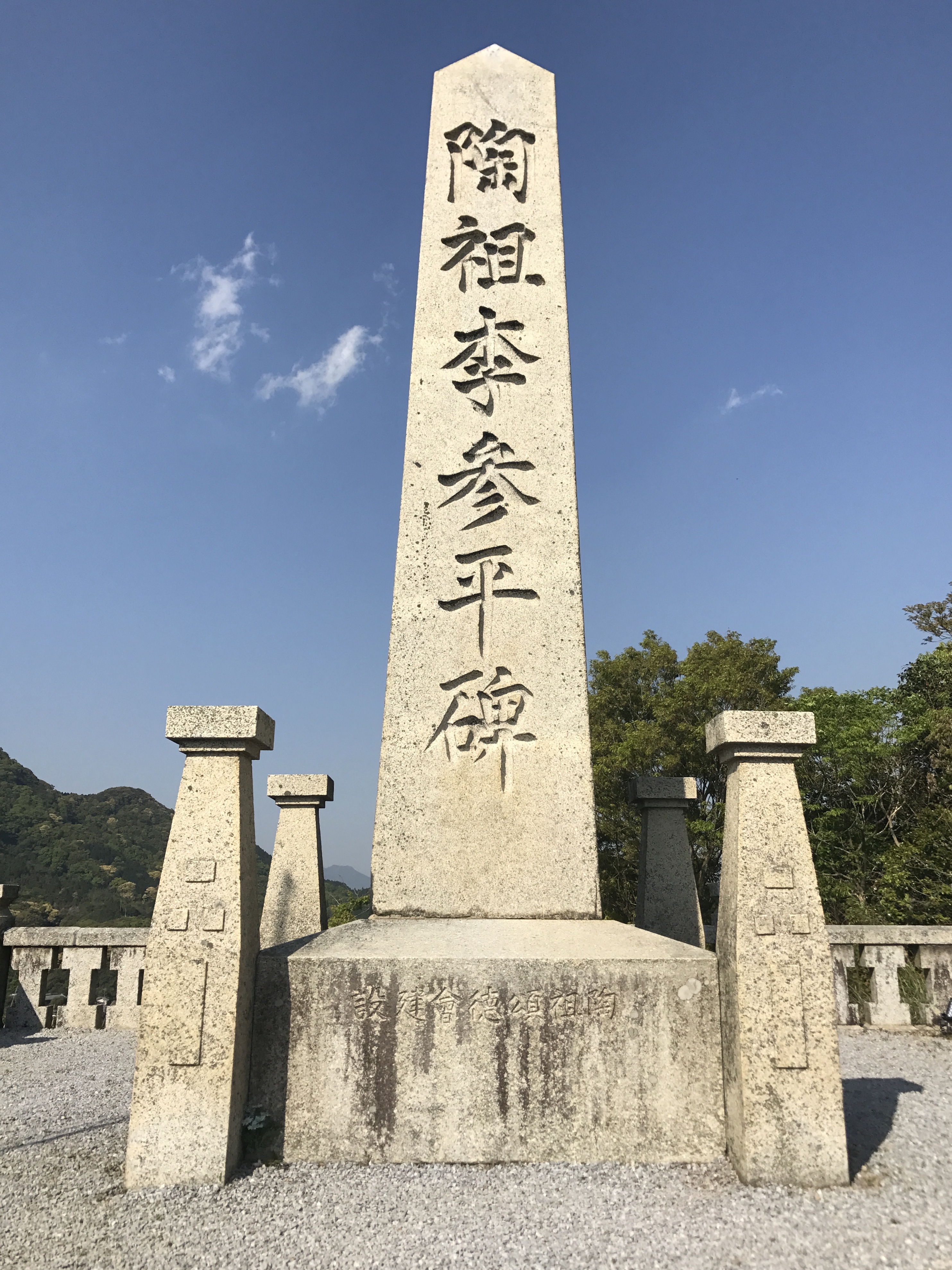
The consequences were enormous. A Korean potter remembered as Yi Sam-pyeong (이삼평) is traditionally credited with discovering kaolin clay near Arita (有田) in Kyushu — the find that, by the popular account, launched Arita porcelain (有田焼 / Imari ware 伊万里, 아리타·이마리), Japan’s first true porcelain. (Historians debate the details of his story, but agree Korean potters were central to Arita’s founding.)
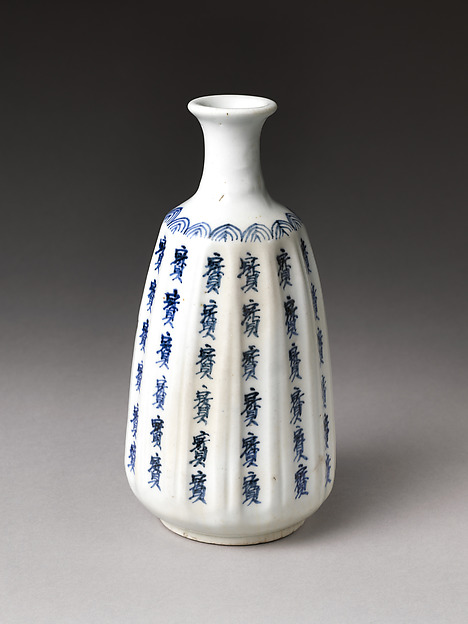
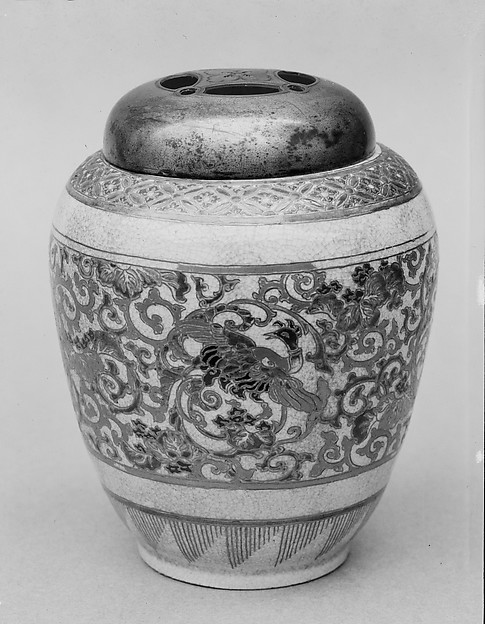
Other captured Korean communities founded Satsuma (薩摩, 사쓰마), Hagi (萩, 하기), and Karatsu (唐津, 가라쓰) wares — names still spoken with reverence in Japan today.
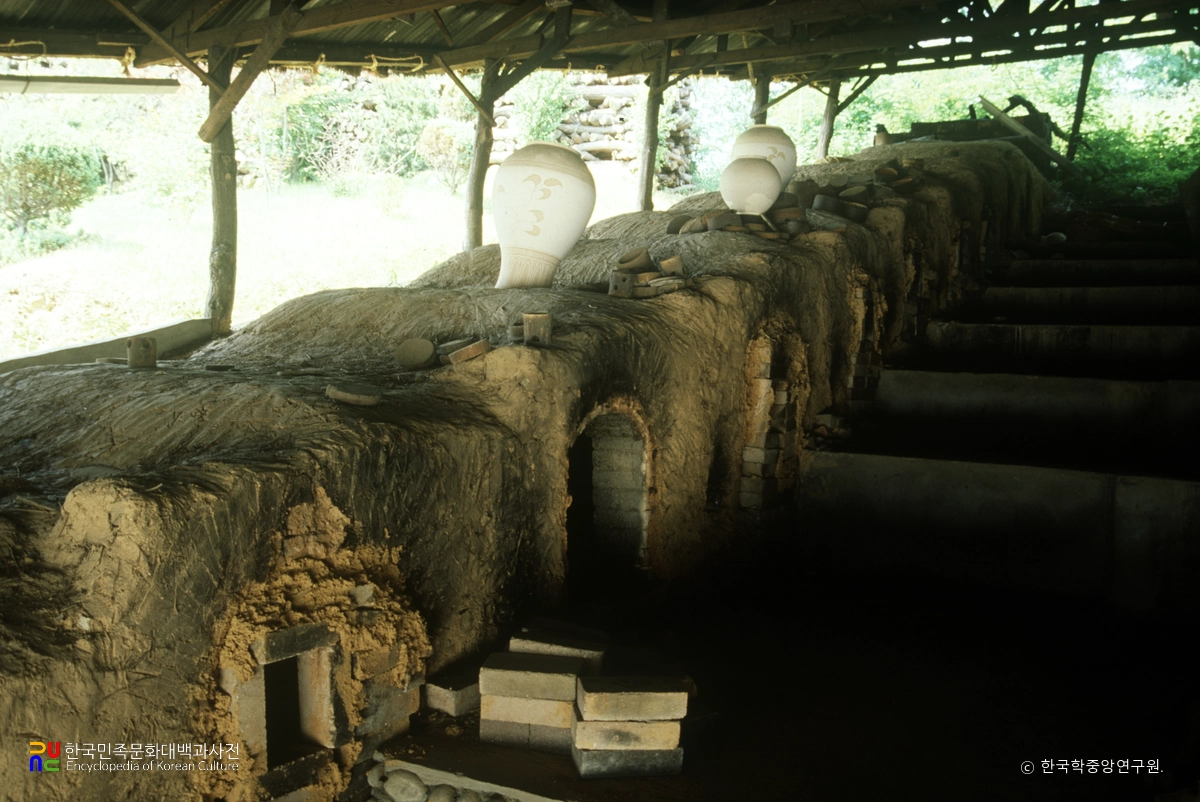
Korean potters also introduced the multi-chamber climbing kiln (noborigama, 登り窯; Korean deungyo, 등요), a technology that transformed Japanese production.
In other words, much of what the world now celebrates as “Japanese ceramics” has deep roots in Korean hands — a shared heritage more than a rivalry.
The Great Irony: Korea’s “Ordinary” Bowls Became Japan’s Treasures
Perhaps the most beautiful twist in this story is what Japanese tea masters did with everyday Korean ceramics. In the 16th century, plain Korean rice-and-soup bowls — known in Korea as maksabal (막사발), “a bowl for everything,” made by anonymous village potters — were carried to Japan and recognised by tea masters as the perfect expression of wabi-cha (侗茶), the humble tea aesthetic. These became the prized Ido tea bowls (井戸茶碗, 이도다완).
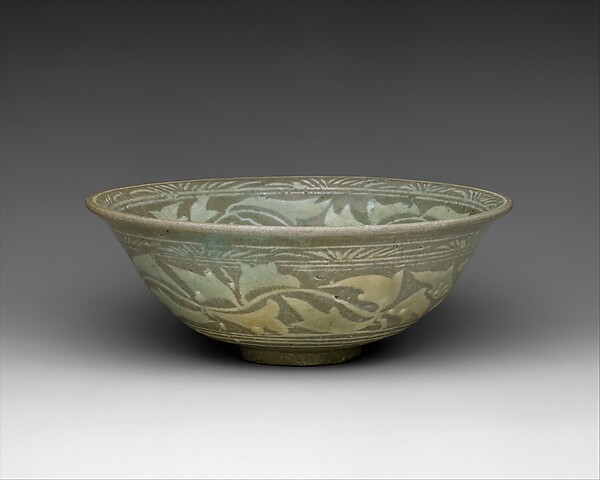

One of them, the Kizaemon Ido (喜左衛門井戸, 기자에몬 이도), was designated a National Treasure of Japan in 1951 and is kept at a sub-temple of Kyoto’s Daitokuji (大徳寺). A humble Korean peasant’s bowl — elevated to the highest rank of Japanese cultural heritage. The technique of slip-inlay decoration the Japanese call mishima (三島, 미시마) was likewise Korean buncheong (분청) work that tea culture fell in love with.
The admiration runs right into the modern era. In the early 20th century, the Japanese philosopher Yanagi Sōetsu (柳宗悦, 야나기 무네요시) founded the influential mingei (民藝, 민게이) folk-craft movement — and by his own account, it was a single gift of Joseon (조선) white porcelain in 1914 that first opened his eyes to the beauty of the ordinary. The movement that taught Japan to treasure its own folk crafts was, in his words, sparked by Korean pottery.
Why the Two Diverged: Tea, Trade, and Worldview
Once the knowledge took root, each country shaped it around its own needs and aesthetics.
Japan refined for the tea ceremony and for export. The tea master’s eye prized the imperfect, the asymmetric, the quietly weathered — the sensibility known as wabi-sabi (侘寂, 와비사비). A rough, irregular Raku (楽, 라쿠) tea bowl was treasured precisely because no two were alike. At the same time, when China’s kilns faltered in the 17th century, Japan stepped in to supply Europe. Arita and Imari porcelain became luxury exports, decorated with bold cobalt blue and gilded overglaze, made to dazzle.
Korea refined toward restraint and everyday use. Joseon-era taste moved away from ornament toward the calm of plain white porcelain. The famous dalhangari (달항아리, moon jar) — a large, slightly lopsided white vessel — captures this perfectly: beauty in plainness, balance in imperfection, with nothing added to show off.
So even when both cultures embraced “imperfection,” they meant different things by it. Japanese wabi-sabi is a deliberate, cultivated aesthetic of transience. Korean understatement is more about honesty and unforced naturalness — letting the material simply be what it is.
The Modern Split: Meiji Japan vs. a Slower Korean Path
The 19th and 20th centuries pushed the two further apart.
Japan’s Meiji Restoration (메이지 유신, 明治維新, 1868) rapidly industrialised the country, and ceramics were part of the export engine. Japanese tableware became a globally recognised, finely standardised product — think of the precise, delicate porcelain that filled Western homes and the mingei (民藝, 민게이, folk craft) movement that later romanticised the handmade. Japan built a powerful global brand around its crafts.
Korea’s modernisation came later and harder, interrupted by Japanese colonial rule (1910–1945) and the Korean War. For decades, Korean ceramic craft survived more quietly, sustained by a small number of dedicated artisans and national efforts to protect heritage kilns. The global spotlight simply wasn’t there yet.
🖼 IMAGE NEEDED — Korean heritage kiln & artisans
A contemporary Korean master potter at the wheel, or a preserved traditional wood-fired kiln (e.g. Icheon). Best sourced as your own brand/supplier photography.
That has changed dramatically. Riding the wave of K-pop, Korean film, and the worldwide “K-culture” boom, Korean design and homeware are now having a global moment. The same restrained, warm, slightly imperfect aesthetic that defined Joseon porcelain feels strikingly contemporary — and audiences who discovered Korea through music and screens are now curious about its tables and homes too.
The moon jar has become the quiet emblem of this revival. Antique examples now sell for millions at auction — one fetched over US$4.5 million at Christie’s — and they sit in the British Museum and Boston’s Museum of Fine Arts. RM of BTS is a famous collector, calling the moon jar “exactly Korea” and posting that the pots make him feel calm. A bowl that once stood for plainness is now a global symbol of Korean taste.

The Everyday Difference: Why Your Bowl Behaves Differently
Here is where history becomes something you can hold. The clearest modern difference between Korean and Japanese ceramics comes down to how each culture eats.
In Japan, you lift your bowl. Rice and miso bowls are picked up and brought close to the mouth, so tableware is designed to be light, thin, and comfortable in the hand. Lacquerware and fine, delicate porcelain suit this perfectly. Meals are often composed of many small dishes, each with its own carefully chosen vessel — a quiet celebration of variety and arrangement.
In Korea, bowls stay on the table. Traditional etiquette is the near-opposite: you do not lift your rice or soup bowl, and you use a spoon as much as chopsticks (Korea is unusual in East Asia for its everyday spoon-and-chopstick set, the sujeo, 수저). Because the vessel stays put, weight matters less than sturdiness and heat behaviour. This is why Korea embraced heavy stoneware, bangjja bronzeware (방짜유기), and stainless steel bowls — and why the sizzling stone dolsot (돌솥) bowl exists at all. Korean dining also centres on shared dishes in the middle of the table with rice and soup anchored at each person’s place, so tableware leans toward solid, grounded, generously sized pieces.
Put simply: Japanese tableware is made to be held; Korean tableware is made to sit and endure. One tradition prizes lightness and delicacy; the other prizes warmth, weight, and steadiness. Neither is “better” — they are honest reflections of two different ways of sitting down to a meal.
Onggi: The “Breathing” Pottery Korea Couldn’t Live Without
There’s one Korean vessel with no real Japanese equivalent: onggi (옹기), the dark, earthy fermentation jar. Onggi clay is mixed with sand, leaving microscopic pores so that air can pass through the walls but water can’t — Koreans call this “breathing.” That single property is why kimchi, doenjang (된장), ganjang (간장, soy sauce) and gochujang (고추장) have been fermented in onggi for centuries. Traditional homes kept rows of these jars on a sunlit terrace called a jangdokdae (장독대). Because Korean cuisine is built on fermentation in a way Japanese cuisine is not, Korea developed an entire ceramic technology around it — a perfect example of how the food shapes the pottery. (Onggi-making was so important it was named an official Intangible Cultural Heritage in 1990.)
Two Traditions, One Table
The story of Korean and Japanese ceramics isn’t really a rivalry. It’s a story of shared roots, a violent moment of transfer, and centuries of thoughtful divergence. Japan took Korean knowledge and polished it into delicate, export-ready perfection. Korea kept its love of restraint, warmth, and quiet imperfection — and the world is only now catching up to how modern that feels.
At PEUM, the pieces we bring from Korea carry that long history in their weight and their calm. When you set a Korean bowl on your table, wherever you gather, you’re not just choosing a look — you’re choosing a way of gathering: grounded, generous, and unhurried.
Bring This History to Your Table
Explore Korean ceramics, made for the way Koreans gather:
- Shop the Tableware collection → — our full range of Korean ceramic tableware
- Rice & Soup Bowls → — the grounded, sit-on-the-table bowls at the heart of a Korean meal
- Tea Sets & Tools → — for the slow, unhurried ritual of tea